
How Families Heal in Different Ways After Losing a Loved One
When a family loses someone they love, it is natural to expect that everyone will grieve in more or less the same way. In reality, the opposite is usually true. Under one roof, a spouse, a child, a sibling, and a grandparent may each move through loss on a different path and a different timeline. One person weeps openly while another grows quiet. One wants to talk for hours while another needs to stay busy. None of these responses is wrong. They are simply different ways of carrying the same weight.
At Menlo Park Funeral Home and Cremation Services, we have walked beside many families in the days and months after a loss. Understanding that grief is not one shared experience but many personal ones can ease a great deal of tension and help a family support one another with more patience. This article looks at why healing takes so many forms, and how loved ones can care for each other along the way.
There Is No Single Way to Grieve
For a long time, grief was described as a tidy sequence of stages that everyone passed through in order. Most people who have actually grieved know it does not work that way. Grief comes in waves. It circles back. A person can feel steady for a week and then be undone by a song, a smell, or an empty chair at the table. There is no correct schedule and no finish line to reach. Healing is less about moving on and more about learning to carry the loss while life continues.
Because grief is so personal, comparing one person's process to another's rarely helps. A family member who returns to work quickly is not necessarily coping better than one who takes a long leave. A person who does not cry at the service may be grieving just as deeply as the one who does. Recognizing this frees everyone to grieve honestly rather than performing what they think grief should look like.
Different Grieving Styles Within One Family
Grief researchers often describe two broad tendencies, though most people are a blend of both. Some grieve outwardly, processing emotion by talking, crying, and sharing memories. Others grieve more privately, working through loss by staying active, solving problems, or handling practical tasks. Neither is healthier than the other, but the two styles can misunderstand each other easily.
For example, a family member who copes by planning the service, sorting paperwork, and keeping the household running may seem detached to a relative who needs to talk and cry. In truth, that busy person may be pouring their grief into action because sitting still feels unbearable. When families understand that quiet doing and open feeling are both forms of love, they judge each other less and lean on each other more.
How Grief Differs Across Generations
Age shapes grief as well. Children often grieve in short bursts, moving from tears to play and back again, which can confuse adults who expect sustained sadness. Teenagers may withdraw or channel their feelings into friends, music, or routines. Older adults may carry the added weight of accumulated losses, grieving not only this person but others they have said goodbye to over the years.
Giving each generation room to grieve in its own language matters. Younger children benefit from simple, honest answers and permission to ask questions. Teenagers need to know it is safe to feel and to talk when they are ready. Elders may find comfort in ritual and in being asked to share memories. A family that makes space for all of these needs tends to heal more gently together.

The Role of Ritual and Gathering in Healing
Whatever their individual styles, most people find that coming together helps. A funeral, memorial, or celebration of life gives grief a shared shape and a place to land. It allows a family to tell the story of a life out loud, to receive support from a wider community, and to mark the loss as real. Even those who grieve privately often find that the act of gathering, of standing beside others who loved the same person, brings a measure of comfort that solitude cannot.
This is one reason we encourage families to hold a meaningful service, whether they choose burial, cremation, or a memorial gathering. The form matters less than the coming together. Personal touches, such as favorite music, shared readings, or a table of photographs, invite everyone present to grieve in their own way while still being part of something shared.
Supporting Each Other Without Judgment
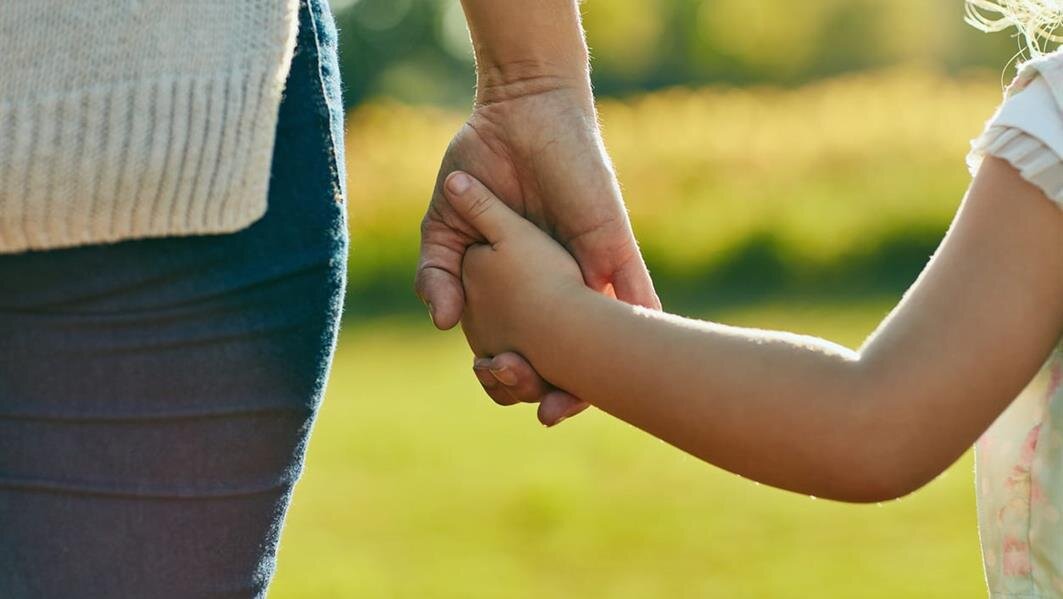
The most helpful thing family members can do for one another is to make room for difference. That means resisting the urge to correct how someone else grieves, to rush them, or to insist they express feelings the way you do. A few simple practices can help a family hold together during a hard season.
Check in without pressure, letting loved ones know you are there whenever they are ready rather than demanding they talk. Share memories openly, since remembering aloud often gives others permission to do the same. Divide practical tasks so no single person carries the whole burden. And accept that some days will be harder than others, for everyone, without needing an explanation.
When to Seek Additional Support
Grief is a natural process, but sometimes it becomes too heavy to carry alone. If a family member feels stuck in despair for a long time, withdraws from everyone, cannot manage daily life, or expresses hopelessness that worries you, reaching out for professional support is a sign of strength, not failure. Grief counselors, support groups, and faith communities can all offer steady help. If you are ever concerned for someone's immediate safety, please contact a medical professional or crisis line right away.
We also maintain grief and healing resources for the families we serve, along with a wider resource library covering many aspects of loss and remembrance. These can be a gentle starting point for anyone looking for guidance or reassurance.
You Do Not Have to Navigate This Alone
Every family heals in its own way and in its own time. There is no schedule to keep and no single right response. What matters is patience, compassion, and the willingness to let one another grieve honestly. In our years of serving the Menlo Park community, we have seen how much lighter the load becomes when families give each other that grace.
If your family is facing a loss and needs support, our compassionate team is here to help. You can reach us any time at (650) 329-8022. We are honored to walk beside you.